For forward-deployed engineers

Turn field work into production systems.

Own discovery through rollout without inventing a new runtime for every engagement. Define the operational system in source, deploy it on Swirls, and turn what works into reusable product leverage.

Prototype fast

Files first

Deploy safely

Versioned release

Compound learning

Reusable patterns
What FDEs put into production

Build the operation, not another demo.

The hard part is not calling a model. It is translating real work into a system people can trust, adopt, and improve after the prototype lands.

Operational workflows

Encode the work behind intake, handoffs, approvals, exception handling, and recurring operations.

  • Process orchestration
  • Human review gates
  • Scheduled operations

AI-assisted decisions

Put model judgment inside a controlled process instead of wrapping a prompt in another one-off application.

  • Research and synthesis
  • Classification and routing
  • Drafts and recommendations

Connected systems

Join the customer’s tools, data, policies, and people in one deployable definition the next engineer can read.
  • Forms and webhooks
  • Business system integrations
  • Customer-facing agents
Inspect working systems
A deployment standard

The system should outlast the engagement.

Swirls gives every operational system the same complete shape. The implementation can change; the way your team authors, reviews, deploys, and operates it does not.

One system definition

Agents and workflows belong in the same release.

Put model judgment, deterministic steps, tools, triggers, access, and human reviews in files that move through a repository. Swirls validates the definition and runs the deployed version.

Reviewable
Deployable
Observable
Reusable
The FDE operating model

Prototype quickly. Leave production behind.

Stay close to the customer without trapping the result in one engineer’s laptop. Every deployment should create leverage for the next one.
  1. 01

    Find the operational truth

    Work beside the domain team. Identify the real process, its exceptions, the people responsible, and the outcome that matters.

  2. 02

    Encode the whole system

    Define agents, deterministic steps, tools, triggers, data, and approval points together in source-controlled files.

  3. 03

    Roll out a production release

    Connect the customer environment, validate the deployment, and ship an immutable version with a record of every run.

  4. 04

    Codify what worked

    Move proven patterns into shared templates and building blocks so the next deployment starts with field-tested leverage.
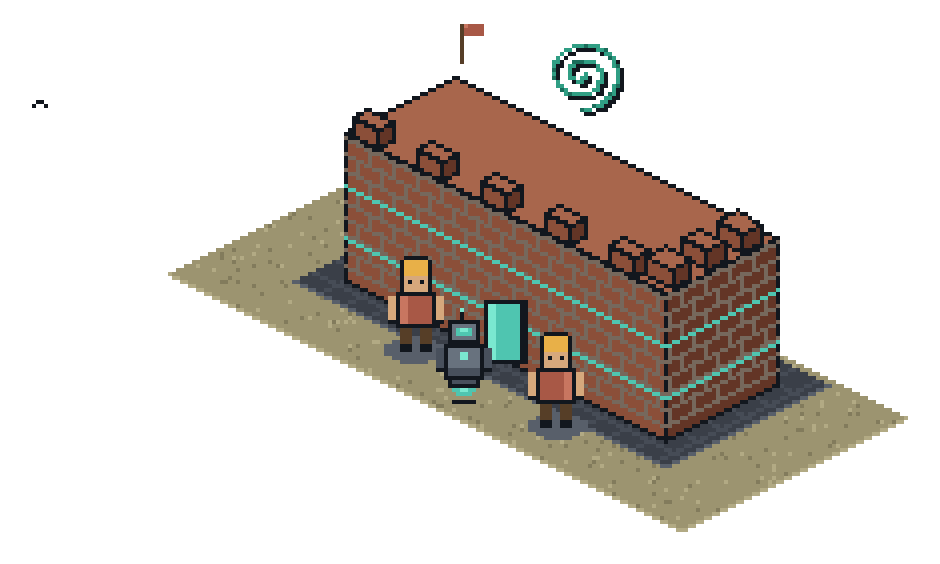
swirls deployquote-desktemplateagent.swirlsworkflows.swirlsaccess.swirlsCustomer Av14stripehubspotmargin 18%Customer Bv14quickbooksslackmargin 22%Customer Cv12xeroteamsapprovals on
After the prototype

Own the outcome without becoming the runtime team.

Swirls handles the execution layer. FDEs stay focused on the operation, customer adoption, measurable workflow impact, and the next product insight.

The system lives in source

Prompts, workflows, tools, triggers, and policy change through the same reviewable process as the rest of the product.

Customer access stays isolated

Connections and secrets are scoped to the project that uses them. Reusable definitions do not carry customer credentials.

Production behavior is visible

Trace what ran, which tools were called, where time was spent, and why a workflow stopped or failed.

People stay in control

Put a review gate before consequential actions and wait for an explicit approval or rejection before continuing.

Stay close to the operation

Keep the domain team, workflow, exceptions, and measurable outcome at the center of the deployment.

Ship like a platform team

Use explicit releases, scoped access, review gates, and production traces instead of engagement-specific glue.

Feed learning back

Turn field-tested patterns into templates and building blocks that improve the product and the next deployment.

The compounding loop

Field work should sharpen the core platform, not create another island of custom code.

Every deployment should make the next one easier.

Build beside the customer. Observe what survives production. Move the proven pattern back into shared source. Swirls gives that loop one place to happen without flattening the differences that make each customer real.

See the operational builder category
Common questions

Before you standardize the field stack.

Is Swirls another agent framework?
No. Frameworks help you write agent loops. Swirls gives the complete system a deployable shape: agents, workflows, triggers, tools, connections, reviews, releases, and production traces.
Does Swirls replace application code?
No. Keep product-specific interfaces and domain code where they belong. Use Swirls for the operational system that coordinates models, tools, business rules, durable steps, and human decisions.
Can each customer have different policy and integrations?
Yes. Start from shared source, then deploy each customer into a separate project with its own connections, policy, release history, and operating data.
Can we hand the system to the customer’s engineering team?
Yes. The system is defined in files that can live in their repository, move through code review, and be understood without reconstructing the engagement from scripts and tribal knowledge.
Start in the field

Take one workflow.
Put it into production.

Build the working version, deploy it with the customer, and keep the pattern worth using again.